Miscarriage Recovery Care in Marylebone — Gentle, Trauma-Aware Support
Miscarriage affects around 1 in 4 known pregnancies (NHS) — and the loss deserves real recovery, not a brisk 'try again'. Trauma-aware miscarriage recovery care in Marylebone: manual lymphatic drainage, acupuncture, and nutritional support, for the physical and the emotional.
Book Consultation
What you're seeing
The concern
Why it happens
What drives it
- Chromosomal abnormality in the embryo — by far the most common cause of single early-pregnancy losses
- Maternal age — risk rises sharply after age 35 due to egg-quality factors
- Antiphospholipid syndrome and other thrombophilias — a treatable cause of recurrent loss
- Uterine structural anomalies (septate uterus, fibroids, adhesions)
- Chronic endometritis — low-grade uterine infection
- Untreated thyroid disease, poorly controlled diabetes, or coeliac disease
- Lifestyle inputs — heavy smoking, alcohol, very high BMI, environmental toxins
Treatment approach
How Claudia treats it
Miscarriage Recovery
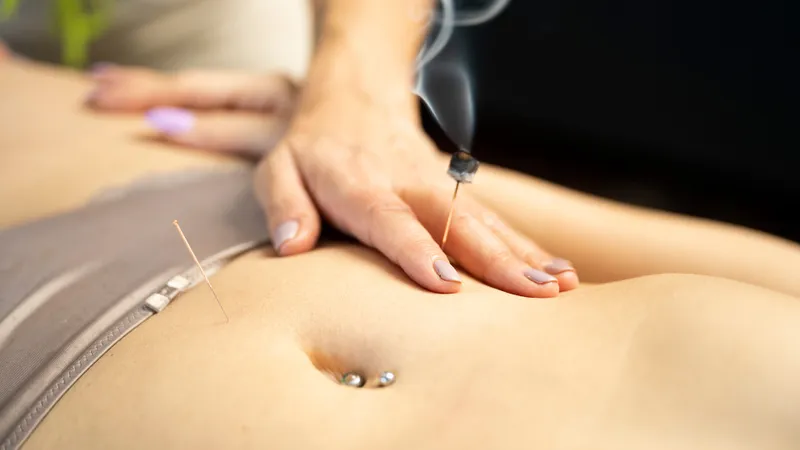
Price on enquiryBespoke recovery protocol combining MLD, acupuncture, and nutritional support — designed for the period from immediately after loss through to the next menstrual cycle and, where wanted, the next conception attempt.
See treatment detail →Fertility Acupuncture
From £125Following the initial recovery window, fertility-focused acupuncture supports cycle regulation, endometrial quality, and the HPO axis — particularly valuable for women trying again after recurrent loss.
See treatment detail →12 Weeks Fertility Reset Protocol
Price on enquiryFor women with two or more losses preparing to conceive again. Twelve-week structure aligns with the egg-maturation window; integrates acupuncture, nutritional therapy, and (where indicated) herbal medicine alongside the RCOG-recommended specialist workup.
See treatment detail →FAQ
Common
questions
When should I come in after a miscarriage?
There is no single right time. Many clients come within 2 to 4 weeks of the physical event for cycle support and to address ongoing bleeding or pelvic pain; others come once they are ready to think about trying again. We follow your lead. Anyone still bleeding heavily, in significant pain, or under EPU follow-up should complete that medical pathway first.
Will integrative care prevent another miscarriage?
No-one can guarantee that. The integrative role is to address the modifiable factors — nutritional status, sleep, stress, cycle regulation — and to coordinate with the RCOG-aligned recurrent-miscarriage workup if you have had ≥2 losses. Most subsequent pregnancies after one or two losses are successful without further intervention.
Should I have investigations after a miscarriage?
NHS practice typically investigates after 3 consecutive miscarriages; private practice often offers it after 2. RCOG-aligned testing covers antiphospholipid syndrome, thrombophilia screen, parental karyotyping, uterine imaging, and (in some clinics) chronic endometritis biopsy. We can suggest sensible questions for your GP or specialist.
How long should I wait before trying again?
WHO once recommended 6 months but newer evidence — including a large 2017 study in BMJ Open — shows trying within 6 months is associated with a higher live-birth rate than longer waits, with no increase in repeat-miscarriage risk. The decision is personal and should be made with your GP if there are medical reasons to delay.
Related Concerns


Get Started
Ready to begin?
Book today.
Body Perfected • 1 Orchard Street, London W1H 6HJ
BookAppointments typically available within 1–2 weeks